


Turn your selfies into dating profile gold
Our AI photographer transforms your everyday photos into polished, scroll-stopping dating profile shots — in minutes, not days.
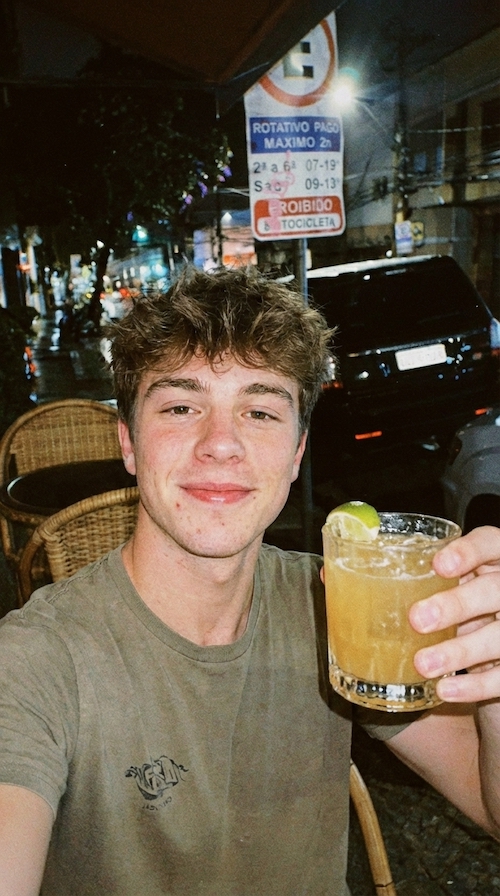
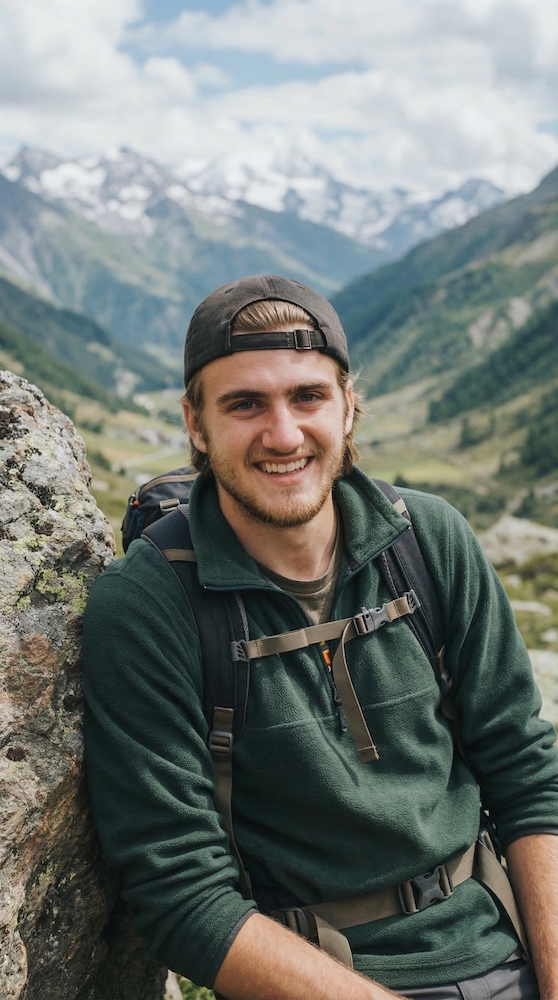
AI Dating Photos on Tinder: Allowed or Bannable in 2026?
 Ryan ColeMay 13, 2026
TL;DR
Yes. AI photos are allowed on Tinder as long as they still look like the real you. Tinder does not ban AI itself, it bans misrepresentation. AI shots that change your face, age, or body can fail verification and get your profile hidden or banned.
This guide walks through what Tinder's own rules actually say in 2026, where the line sits between "AI-enhanced you" and "AI fiction of someone else," how photo verification interacts with AI, and what realistically happens if you cross the line.
According to the Tinder press room, users who completed ID verification in pilot markets received 67% more matches than unverified users. The platform is investing heavily in proving you are who your photos say you are, which is the exact same lens it now applies to AI photos.
What Tinder's rules actually say about AI photos
Tinder's Terms of Use now explicitly contemplate AI. The definition of "Your Content" includes "any content generated by such AI Technology that you create, upload or share" and goes on to say, "This is still Your Content, and you are responsible for it and its accuracy." Tinder is not saying "no AI." It is saying: if you upload it, you own the consequences, and accuracy matters.
The Community Guidelines never mention the words "AI" or "generative". They don't have to. The rules they have already do the work: be yourself, don't create fake accounts, don't pretend to be someone you're not, and don't misrepresent your identity, age, or appearance. An AI photo that still looks like the real you fits inside those rules. An AI photo of a different jawline, a different age, or a different body does not.
The line: AI of you vs. AI of someone else
There is one mental model that captures Tinder's policy better than any clause. Ask yourself: if the person I'm matching with showed up to a coffee date today, would they recognize me from these photos within three seconds? If yes, you're inside the rules. If no, you are misrepresenting yourself, and the platform is allowed (and now equipped) to act on that.
Allowed (in spirit and in policy): AI portraits trained on your own face, AI-enhanced lighting or background, an AI restyle of an outfit you actually own, AI cleanup of a blemish on a real photo.
Not allowed: AI photos that change your face shape, age, weight, hair, or skin in ways your matches would notice in person. Borrowed AI photos of strangers. AI swaps that move you to places or activities you don't actually do.
Photo Verification, ID Verification, and the new humanness check
The reason this question is sharper than it was in 2023 is that Tinder has built real machinery to test whether you match your own profile. Photo Verification asks you to record a short live selfie that the app compares against your uploaded photos. ID Verification (which Tinder first piloted in Australia and New Zealand before rolling it out to the US, UK, Brazil, and Mexico) goes a step further by checking a government ID against the same live selfie.
The practical effect on AI photos is direct. If your AI photos drift too far from your actual face, the live selfie won't pass verification, and unverified profiles in 2026 are increasingly buried by the algorithm, even when no rule has been "broken." A 67% match uplift for verified users is also a 67% penalty for staying unverified by choice.
Does Tinder detect AI-generated photos?
There is no public, confirmed AI-image detector running on every Tinder upload. What Tinder does have, and uses, is a stack of signals that catch the symptoms of AI misuse:
You don't need a literal AI detector when the consequences of unrealistic photos surface as user behavior. That's the lever Tinder pulls.
What actually happens if you cross the line
The realistic outcomes, in increasing order of severity:
- Shadow-banned. Your profile keeps "working" but stops appearing to new users. If matches dry up overnight, this is often what happened. See our guide to spotting and resetting a Tinder shadowban.
- Verification stripped. The blue checkmark disappears, and re-verification fails because your photos don't match your live selfie.
- Account banned. Tinder reserves the right to remove accounts for misrepresentation, and bans can extend across other Match Group apps tied to the same phone or payment method.
None of these require a moderator to "prove" your photos are AI. They only require that the photos don't credibly represent you.
The "stay safe" checklist for AI photos on Tinder
For a deeper dive on safe AI use across Hinge and Tinder, our guide to using AI photos on dating apps without getting banned covers the practical setup. If you're worried about whether AI shots even look real anymore, see our breakdown of whether modern AI dating photos still look fake.
So, are AI dating photos allowed on Tinder?
Yes, with a clear caveat. AI photos of you that look like you are allowed and increasingly normal, now that AI dating photos that look real are hard to tell from a camera-roll shot. AI photos that change who you are will get caught by verification, by your matches, or by both. The platform's incentives are aligned around real meet-ups; anything that makes the first date awkward is something Tinder will eventually price into your reach.
If you want clean, natural AI portraits trained on your own selfies, the kind that still look like the person who shows up to coffee, Fotto.ai is built for exactly that. Five real selfies in, a set of safe-to-post portraits out.
The rule under the rule
Tinder's policy isn't really about AI. It's about whether your profile and your in-person self are the same person. Use AI to put your best honest foot forward and the app rewards it. Use AI to be someone else and the system (and your matches) will figure it out fast.
Which tool you pick matters less than how you use it, but it does matter. Our comparison of ten AI dating photo generators lays out what each one costs, how fast it delivers, and which have independent reviews behind them.
Frequently asked questions
Are AI photos allowed on Tinder?
Yes, as long as they still look like the real you. Tinder does not ban AI itself, it bans misrepresentation. An AI photo of your own face is inside the rules. An AI photo of someone else is not.
Will Tinder ban you for using AI photos?
Not for the AI part. Bans are for misrepresentation, and the realistic outcomes run from a shadowban, to losing your verified badge, to an account ban for photos that do not credibly represent you.
What do Tinder's Community Guidelines say about AI photos?
Nothing directly. They never use the words AI or generative. They tell you to be yourself, not to create fake accounts and not to misrepresent your identity, age or appearance, which already covers AI.
Can Tinder detect AI photos?
There is no public, confirmed AI detector on every upload. Tinder catches the symptoms instead: a live selfie that does not match your photos, reverse image hits, user reports and behavior after a meet-up.
Does Tinder's photo verification catch AI photos?
It does not scan for AI. It asks for a short live selfie and compares it against your uploaded photos, so AI shots that drift too far from your actual face will not pass.
Do you have to say a photo is AI on Tinder?
No. Tinder has no rule that makes you label an AI photo. Its Terms of Use do say AI content is still your content and that you are responsible for it and its accuracy.
How do you use AI photos on Tinder safely?
Use AI trained only on your own selfies, keep your real face, age and body, and pair one or two AI portraits with three to four genuine candid photos. Then check that a live selfie would match.
Keep Reading
Easily remove unwanted photo backgrounds with Fotto.ai. Enhance product shots, create stunning edits fast, no Photoshop needed.
Get more matches by fixing what decides every swipe: your photos. How to shoot, pick, and test AI dating photos that still look like you.
Confidence reads visually. How posture, body angle, hands, eyes and a real smile make your dating photos look like you on a good day.
Nine dating profile picture ideas that pop on swipe apps, the composition rules behind them, and a 20-minute plan to shoot them at home.
A realistic 7-day sprint to lift your match rate without touching your photos. Day-by-day plan: bio audit, rewrite, opener templates, swipe rule, peak-time sessions, conversation pivots, and how to measure and lock in the wins.
Some AI dating photos get spotted instantly, others pass. Here is what gives them away and how to pick ones that hold up on a first date.
A slot-by-slot guide to the Hinge 6-photo carousel: what each slot should do, the best order to run them in, and the mistakes that cost matches.
How much is Match.com, and is it free? What the free plan really does, real monthly costs, whether it is legit and worth it, and how to cancel.