


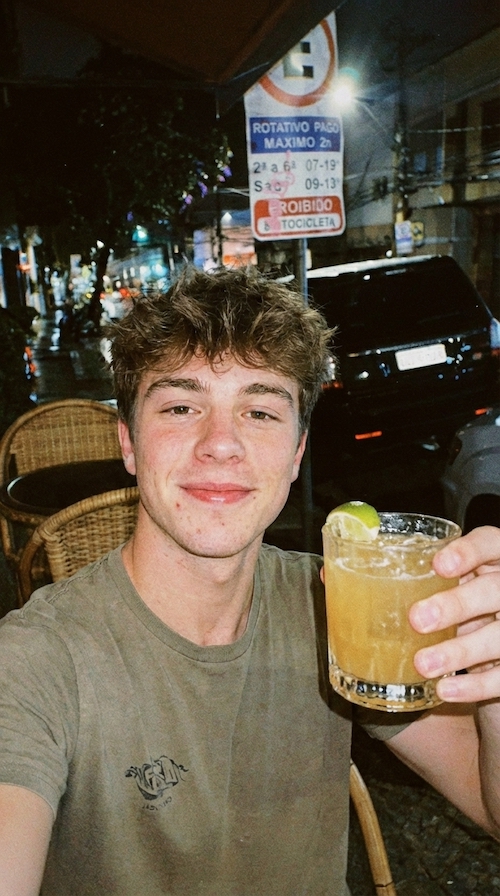
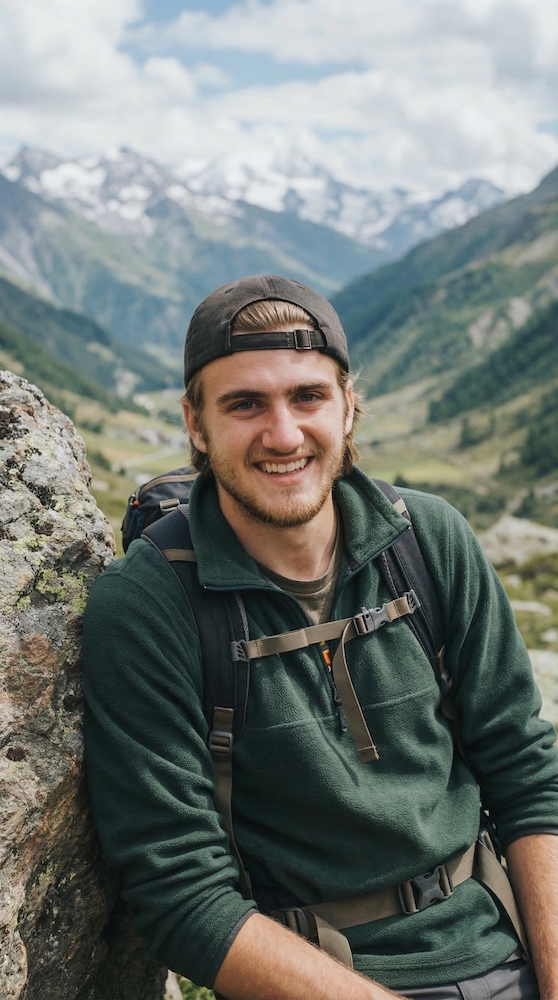
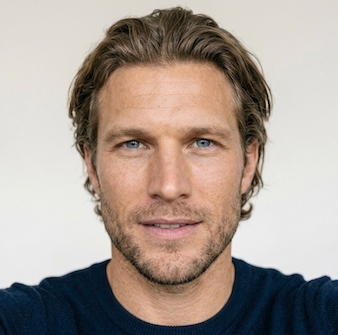
Hinge gives you exactly six photos. Not seven. Not ten. Six. That hard cap is the first thing to understand, because most people treat it as six chances to post whatever they have saved on their camera roll, when it's actually six jobs that need to get done in a specific order.
The difference between a profile that gets consistent likes and one that gets ignored almost always comes down to whether those six slots are doing intentional work. This guide breaks down every slot, what its job is, what types of photos fill it best, and the quiet mistakes that kill your match rate before anyone even reads your prompts.
What the data says
According to Hinge’s own research, profiles with photos that show genuine personality (not just attractive faces) consistently outperform glamour shots. Candid, lifestyle-forward images drive more comments, and comments are the metric that actually predicts a date, not just a like.
What the 6-Photo Limit Actually Means for Your Strategy
On apps with more photo slots, you can afford to be random. The carousel fills in, people get a rough sense of you, and sheer volume does some of the work. Hinge's six-photo cap removes that safety net entirely.
Research on first impressions is consistent: people form an initial judgment in under a second. On Hinge, that first photo is doing the same work as a first glance across a room. If it doesn't earn a tap, none of your other five photos (or your witty prompts) will ever be seen.
The strategic implication: your six slots are not a gallery, they're a story. Each slot should answer a different question your potential match is quietly asking:
When every slot answers its question, your profile creates a complete picture. When slots repeat the same type of photo, you waste the real estate and leave questions unanswered.
Slot 1: Your Hero Photo (the one that earns the tap)
Slot 1 is the only photo that exists in isolation. When someone scrolls through Hinge's Discover feed, they see one image and make a snap decision. Everything about this photo needs to make that decision easy.
What earns the tap:
Clear face, good light
Natural light or soft window light. No harsh flash, no heavily filtered skin. Your face should be unambiguous, not cropped, not hidden behind sunglasses.
A genuine expression
A relaxed smile or a candid laugh beats a posed, unsmiling expression. Research on photo trustworthiness shows that approachability signals matter more than "attractiveness" in a narrow sense.
An interesting background
A plain white wall is a missed opportunity. A city street, a café, a market: any real environment gives the photo texture and subcommunicates a lifestyle without saying a word.
What kills a hero photo:
- Group shots: never use a group photo as your first photo. Making someone figure out which person you are is friction you cannot afford in slot 1. Check out when group photos actually work on a dating profile. It's not slot 1.
- Mirror selfies: the arm-up composition is recognizable and signals low effort.
- Heavy filters or dramatic edits: when you meet someone in real life, you want them to recognize you. Catfish anxiety is real, and heavily filtered photos trigger it.
- Sunglasses covering your eyes: eyes are the primary trust signal in a face. Blocking them creates a subconscious barrier.
- Extreme distance: if someone has to zoom in to find your face, the photo isn't doing its job.
Your hero photo needs to work at thumbnail size. Before you commit to it, shrink it down and ask: can I immediately see a clear, warm face with an interesting background? If not, keep looking.
If you don't have a photo that clears this bar, it's worth investing in getting one taken: ideally outdoors, by someone else, in good light, while you're doing something natural. Tools like Fotto.ai can also help you generate professional-looking dating photos if you don't have a strong existing library to pull from.
Slots 2–3: Building Context (full body, lifestyle, social proof)
Someone tapped on your hero photo. Now they're in your carousel. Slots 2 and 3 need to answer the question: What does this person's life actually look like?
These two slots are where you build out the picture. Think of them as the establishing shots of a short film about you.
Slot 2: The full-body or environment shot
A lot of people are cautious about including a full-body photo, but skipping it creates a gap. When someone doesn't see your body in a profile, they fill in the blank with their imagination, and that uncertainty can become a reason not to swipe. Showing your body honestly builds trust and attracts people who are actually interested in you.
This doesn't have to be a gym photo or a beach photo (though those work if they fit your life). It can be a photo of you on a hike, at a festival, walking in a city: anything where the frame is wide enough that someone gets a full sense of you in a real setting. See how photo vibe affects your match rate for more on why environment matters.
Slot 3: Lifestyle or social proof
Slot 3 is your first chance to show context beyond your face and body. This is where a well-placed group photo can work. It signals that you have friends, that people enjoy being around you, and that you actually do things. It adds social proof without overstating it.
Good options for slot 3:
What to avoid in slots 2–3: two similar photos. If slot 1 is a close-up portrait and slot 2 is another close-up portrait with a different background, you've wasted a slot. Every photo should add new information.
Slots 4–5: Personality and Range (hobby, travel, candid)
By slot 4, someone is genuinely browsing your profile. They're interested enough to keep scrolling, which means they're now looking for reasons to like you (or, just as importantly, reasons to comment on a specific photo). Hinge's design makes this crucial (more on that in the next section).
Slots 4 and 5 are where personality should live. These are your interest photos. They're the ones that answer: Would I have things to talk about with this person?
What makes a strong personality photo
Specificity over breadth
A photo of you at a specific national park, with a specific dish you cooked, at a specific concert: details give someone something to grab onto.
Action over posing
A photo of you actually doing the thing (hiking, cooking, playing guitar) is more compelling than a photo of you standing next to evidence that you once did the thing.
Emotional authenticity
A genuine reaction (surprise, delight, focus) is more interesting than a posed smile. It shows how you actually feel about the things you do.
Range matters
Slots 4 and 5 together should cover two different dimensions of your personality. If slot 4 shows you outdoors (hiking, beach, camping), slot 5 should show something different: a creative pursuit, a social setting, a cultural interest. You want someone to feel like they're getting to know a whole person, not a single-note character.
For men over 30 especially, this is where profiles often fall flat: too many photos in one register, not enough range. The post on Hinge photo ideas for men over 30 goes deeper on how range works by age.
A travel photo works well in this range. It signals curiosity and openness to new experiences. But the most effective travel photos aren't you in front of a famous landmark. They're you in a real moment: eating street food, lost in a local market, sitting on a rooftop at dusk.
Slot 6: The Wildcard (conversation starter, vulnerability, humor)
Slot 6 is the most underused and highest-upside slot in the carousel. Most people either run out of good photos and throw in something mediocre, or they duplicate a style they've already used. The smart move is to treat slot 6 as an intentional wildcard.
By the time someone reaches photo six, they've seen your face, your body, your lifestyle, and your interests. They've formed an impression. Slot 6 is your chance to add the thing that makes that impression snap into focus: the detail that makes them go okay, I need to send this person a message.
Three directions that work well for slot 6:
A photo with an obvious story attached to it. A weird trophy. A photo with a notable figure. You doing something unexpected. Anything that makes someone think: I have to ask about this.
A photo that shows a softer or more personal side: you with a pet, you at a family event, you doing something you love that's slightly uncool. Vulnerability is disarming and memorable.
A photo that shows you don't take yourself too seriously. This is hard to pull off without looking try-hard, but when it works, it stands out sharply against every other profile.
What you should avoid in slot 6: another portrait. If you've already shown your face three times, a fourth portrait adds nothing. Slot 6 should give range, not repetition.
How Hinge's Like-a-Photo Mechanic Changes Everything
This is the strategic point most people miss entirely, and it changes how you should think about your whole lineup.
On Tinder, a like applies to the whole profile. On Hinge, someone can like (or comment on) a specific photo. This means every individual photo in your carousel is a separate surface for someone to initiate a conversation. A photo that generates a comment (“wait, where was this taken?” or “I love that place too!”) is worth more than a photo that gets a passive like.
The practical implication: optimize for comments, not just attractiveness.
A photo of you looking conventionally good but with nothing interesting happening is low comment-bait. A photo of you doing something specific and interesting (even if it's less physically flattering) is much more likely to generate a comment that turns into a conversation that turns into a date.
The comment-bait audit
Go through your six photos and ask: which ones give someone something specific to comment on? If fewer than three of your photos have an obvious hook, you need to rebalance. The goal isn't to have six conversation starters. It's to have at least three photos where someone could write an opening message that isn't just “hey.”
This also shapes how you should sequence photos. Slot 1 doesn't need to be the highest comment-bait. It needs to earn the tap. But slots 3 through 6 should progressively increase the number of hooks available. By the time someone reaches slot 6, they should have had multiple moments where a specific detail caught their eye.
For a deeper look at this principle across the full range of profile strategy, the post on how to take good dating photos step by step covers what to do before you even pick up a camera: the planning that makes photos consistently strong rather than occasionally lucky.
The same photo strategy applies across platforms. If you're also on Tinder or Bumble, it's worth reading how the slot logic adapts: best Tinder photos that get matches and best Bumble photos that get matches cover the platform-specific differences. And if you're exploring AI-generated photo options, the best AI dating photo generators in 2026 breaks down what actually works.
The Photo Mistakes That Quietly Cost You Matches
Before wrapping up, it's worth naming the common errors that don't feel like mistakes, because they're so widespread they look normal.
Putting It Together: The Ideal Hinge Lineup
Here's a simple framework you can use as a starting point:
If you look at your current photos and realize you don't have strong options for several of these slots, the fix isn't to scramble through old albums. It's to go out and create photos that fill the gaps. That might mean asking a friend to take some candids on your next outing, or it might mean using Fotto.ai to generate high-quality dating photos from your existing shots. Either way, the lineup above gives you a clear brief for what you actually need.
The goal isn't perfection. It's intention. Six photos that each do a specific job will outperform six random photos every time.