


Turn your selfies into dating profile gold
Our AI photographer transforms your everyday photos into polished, scroll-stopping dating profile shots — in minutes, not days.
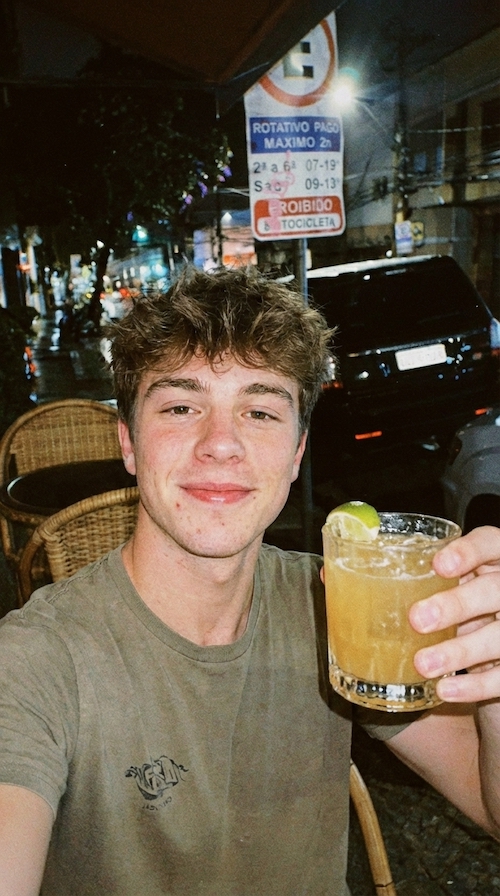
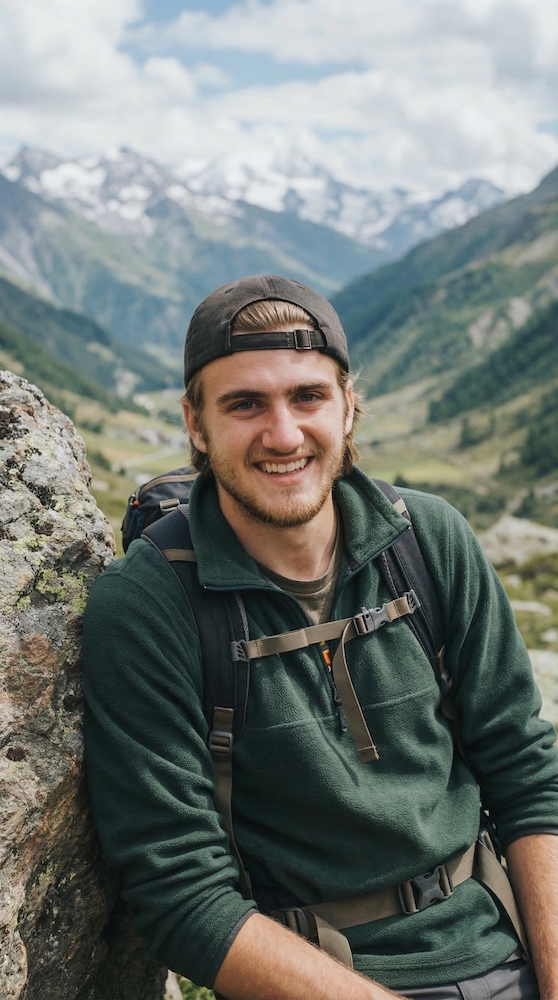
Good Dating Profile Pictures: 7 Steps That Actually Work
 Ryan ColeApril 28, 2026
A good dating profile picture isn't about looking like a model. It's about looking like a human someone wants to meet for coffee. The same principles that make a portrait work in a magazine (clean light, an honest expression, a frame that puts you in the center of the moment) are the ones that make strangers slow down and tap on your profile instead of swiping past.
This guide skips the gendered cliches and goes straight to the principles. Whether you're shooting fresh photos this weekend or just sorting through what you already have, these are the rules that decide whether a picture lands. None of them require a fancy camera or a photographer, just an understanding of what a viewer's eye does in the half-second your photo is on screen.
According to Pew Research's findings on online dating, roughly three-in-ten U.S. adults have used a dating app, and the single thing they say they look at first is the photos. Your bio gets read after the pictures convince them to keep scrolling. That order never changes, so the photos have to carry the profile.
1. What actually makes a photo "good"
Good dating photos share four things, in this order: a clear face, soft light, a relaxed expression, and a background that doesn't compete. Everything else (outfit, location, props) is secondary. If a photo nails those four, it works. If it misses one, it usually doesn't, even when the person looks great in real life.
Composition is the quiet half of this. Following the rule of thirds, placing your eyes about a third of the way down the frame instead of dead center, instantly makes a casual phone shot feel intentional. It's the same trick every portrait photographer uses, and it costs nothing to apply.
There's a reason the face matters more than everything else combined. People form a first impression of a stranger's face in about a tenth of a second, long before they read a word, and that snap judgment covers trustworthiness and warmth, not just looks. A photo where your face is small, shadowed, or turned away throws that away. When you're deciding between two shots, the clearer face almost always wins, even if the "worse" photo has a prettier background. If your profile still isn't converting after the photos are fixed, the problem is usually further up the funnel, and our breakdown of why you're not getting matches walks through the rest.
2. The first-photo rule
People decide on photo one. That's not an opinion, it's how the apps are designed and how attention actually works. Most people never swipe through your full gallery. They glance at the opener, feel something or don't, and move. Your first picture should be a head-and-shoulders shot, your face filling roughly the upper third of the frame, eyes visible, no sunglasses, no hat brim cutting across your forehead.
Save the action shots, the travel pictures, and the group photos for slots two through six. The opener is doing one job: making someone feel like they've already met you. A busy or ambiguous first photo forces the viewer to do work (which face is you? what am I looking at?) and most people won't bother. We go deeper on this in our guide to nailing the first-impression profile photo, but the short version is: lead with your clearest, warmest, most unmistakably-you shot, every time.
3. Lighting basics that change everything
Soft, directional, natural light is the universal cheat code. The hour after sunrise and the hour before sunset, what photographers call golden hour, is the most flattering light available, and you don't need a single piece of gear to use it. Light this soft wraps around your face and hides the small texture and shadow that harder light exaggerates.
The direction of the light matters as much as its softness. Light coming from slightly to one side and a little above eye level gives your face shape and a natural highlight. Light coming from directly overhead, or from directly behind you, is the enemy. Here's how to get the good version in the situations you'll actually be in:
One quick test before you commit to a spot: look at your eyes in a test shot. Good light puts a small bright reflection (a catchlight) in each eye and keeps the area beneath free of heavy shadow. If your eyes look dark and sunken, move until those catchlights appear.
4. Expression and eye contact
The single biggest upgrade most people can make is a real smile. Not a grin, not a smolder, a genuine one. The technical name is the Duchenne smile, and it's the kind that crinkles the skin around your eyes. That eye crinkle is the tell your brain uses to separate a felt smile from a polite one, which is why studies consistently show it reads as more trustworthy and more attractive than any posed expression. A mouth-only smile can actually read as slightly forced, and people notice without knowing why.
Easy way to get there: don't say "cheese." Think of something that actually makes you laugh, or have whoever's shooting tell you a bad joke right before they hit the shutter. Shoot in burst mode so the camera catches the moment the laugh peaks. The half-second after a real laugh is almost always the keeper, and it's nearly impossible to fake on cue.
Eye contact matters too. Looking directly at the lens in your first photo makes the picture feel like the person is meeting your eyes from across a room, which builds a sense of connection before a single message is sent. Save the looking-off-into-the-distance shots for later in the lineup, where they work as variety, not as openers. And relax your jaw and shoulders before the shutter fires: a clenched jaw is the most common reason a photo looks "off" even when the smile is real.
5. Framing, background, and what to cut
Tight crops on your face read as confident. Full-body shots read as honest. You want both in the lineup, but the first should usually be the tighter one. Mid-distance shots, those awkward "from the waist up at twenty feet" pictures, almost never work. Get closer or get further. The full-body shot earns its slot too: leaving it out reads as hiding something, and one clear head-to-toe photo removes that doubt.
Backgrounds should be simple enough that your face is unambiguously the subject. A blank wall, an unfocused park, a soft cafe interior all work. A cluttered bedroom, a bathroom mirror, or a busy crowd behind you all pull attention away from your face. A little context is good (a background that hints at where you live or what you like gives someone a reason to message you), but the face still has to win the frame. For more ways to make a background do work without stealing focus, our roundup of profile-picture ideas that stand out has settings worth stealing.
One thing people forget: vertical framing. Dating apps show photos in a tall, portrait-shaped card, so a horizontal photo gets cropped or shrunk and wastes half the space. Shoot vertical, or leave enough room around you to crop to vertical later without cutting off the top of your head.
Cut these from your lineup, no exceptions:
- Bathroom mirror selfies
- Photos with sunglasses or a hat covering your face
- Group shots as photo number one
- Heavily filtered pictures that don't match the rest
- Anything blurry, low-res, or clearly cropped from a wider shot
- Six photos with the exact same expression and angle
Group photos deserve a special note, because they're the most common self-inflicted wound. A group shot buried later in your lineup can show you have a life. As your opener, it makes people guess which person you are, and guessing is friction. If you want the full rulebook on this, we broke down exactly when group photos help and when they hurt.
6. Putting it in order
Once you have your shortlist, the order matters almost as much as the shots themselves. The goal is variety: each photo should add something the last one didn't, so the viewer keeps learning about you as they scroll. A reliable lineup that works for almost anyone:
How many slots to fill? Four to six is the sweet spot for most apps: enough to tell a story, not so many that a weak shot sneaks in and drags the average down. One bad photo genuinely lowers how people rate the whole set, so it's better to run five strong pictures than six with a dud. We put numbers to this in our guide to how many photos your profile should have.
For more on what high-engagement photos have in common, the team at Hinge Labs publishes ongoing research on dating-app behavior, including which kinds of photos consistently lead to conversations and dates rather than just likes.
7. How to audit your own lineup
You are the worst judge of your own photos. You know the story behind each one, so you read warmth into shots a stranger sees as blurry or confusing. The fix is to get outside your own head before you commit:
The fastest way to refresh your lineup
If your camera roll is mostly group shots, helmet selfies, and pictures from three years ago, you don't need a photographer to fix it, but you do need a clean first photo. Fotto.ai can generate natural-looking portraits in soft, flattering light from a handful of selfies, which makes it easy to have a real opener while you sort out the rest of the set. Use it to lock down the head-and-shoulders hook, then build the story photos around it with real shots from your life.
The principle under all of it
A good dating photo doesn't try to look impressive. It tries to look like a real, specific person on a good day. Soft light, a clear face, a real smile, a frame that doesn't fight you: that's the whole formula, and it works regardless of who you are or who you're hoping to meet. Get the first photo right, give the next few some variety, cut anything that makes a stranger squint or guess, and you've already done more than most profiles on the app.
And if your camera roll simply does not contain those photos, that is a solvable problem. Our guide to building a varied dating photo set with AI covers the selfies to start from, the shots a strong lineup needs, and how to throw most of the output away.
Keep Reading
Easily remove unwanted photo backgrounds with Fotto.ai. Enhance product shots, create stunning edits fast, no Photoshop needed.
Learn how to increase image size with AI and upscale low-resolution photos without losing quality. Discover fotto.ai’s free online upscaler to enhance your images in seconds.
Four dating app photo examples that consistently outperform, the patterns behind them, and the habits that quietly tank an otherwise good profile.
How does the Tinder algorithm work in 2026? The 3 signals Tinder has confirmed, the 4 myths to drop, and the photo fix that moves your reach.
Stop optimizing for more matches. Write prompts that pull the right ones: the specific-detail rule, examples that work, and the lines to cut.
Matches dropped to zero overnight? The 8 signs of a Tinder shadowban, 4 tests to confirm it, and the reset sequence that actually restores your reach.
We compared 10 AI dating photo generators on price, photos, speed and subscriptions. Real prices, sources linked, and where each one loses.
Bumble matches gone quiet overnight? The 7 signs of a Bumble shadowban, 4 tests to confirm it, and the reset sequence that gets you shown again.