


Turn your selfies into dating profile gold
Our AI photographer transforms your everyday photos into polished, scroll-stopping dating profile shots — in minutes, not days.
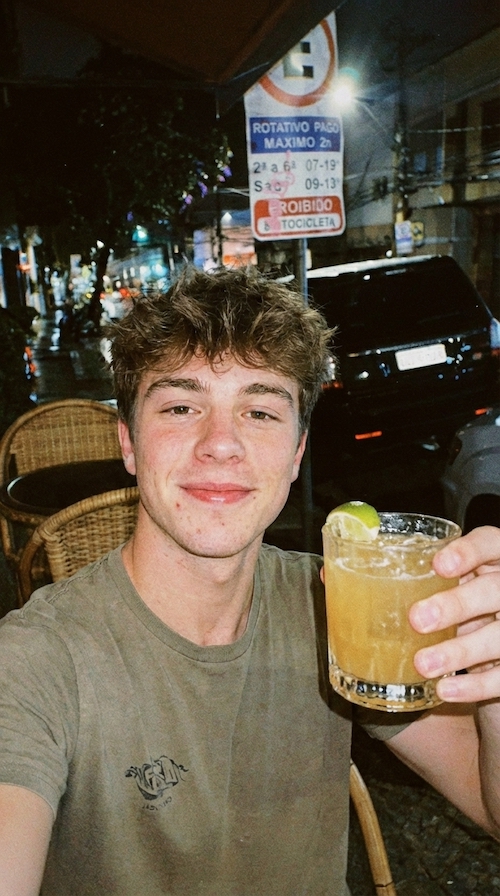
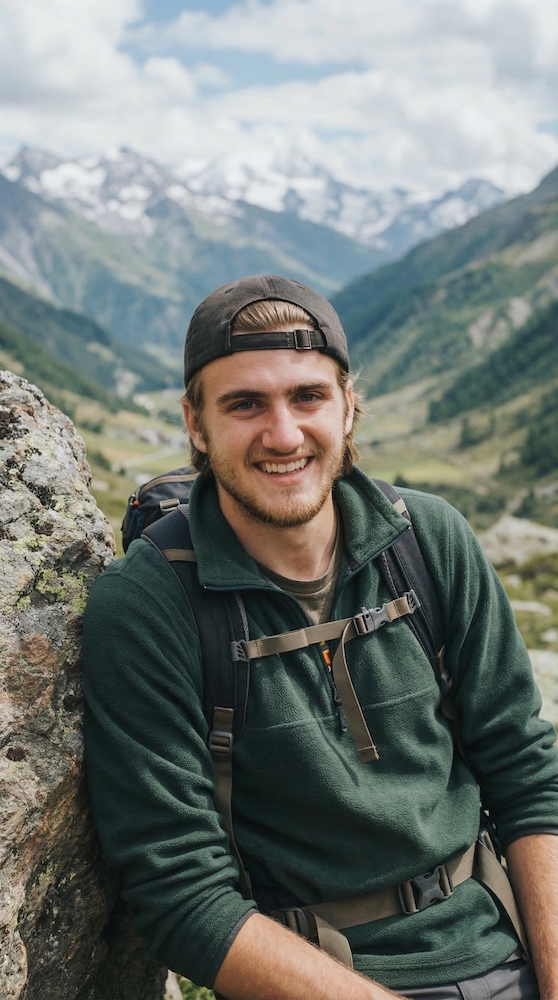
AI Dating Photos That Get More Matches and Look Like You
 Ryan ColeDecember 3, 2025
TL;DR
AI dating photos get you more matches by fixing your representation, not your face. A good tool reproduces from your selfies what a photographer chases: soft light, a genuine expression, clean framing, and variety. Used badly they look staged, so keep four to six shots that look unmistakably like you.
Here is the uncomfortable truth about dating apps: nobody reads your bio until your photos have already earned it. The first picture in your lineup does almost all the work, and it does that work in well under a second. If it lands, someone slows down and looks closer. If it does not, they are already onto the next face before your name registers.
That is why photos, not wit or job title, decide how your profile performs. And it is also why AI dating photos have become a real option for people who take fine selfies but never seem to capture how they actually come across in person. Used well, they can lift a flat profile into one people stop on. Used badly, they look staged and cost you trust. This guide is about the difference.
1/10th
of a second
is roughly how long a face needs to trigger a first impression that is hard to reverse. Your lead photo gets about that long to work.
Why the first photo decides everything
When someone lands on your profile, they are not evaluating you. They are reacting to you. That reaction is fast, emotional, and stubborn. Psychologists call the tendency to let one strong impression color everything else the halo effect: if your first photo reads as warm and confident, people quietly assume the rest of you is too. If it reads as tired or awkward, that assumption runs the other way, and the bio you agonized over never gets a fair hearing.
These snap judgments are not a dating-app quirk. They are how human perception works everywhere, and research on first impressions shows they form in a fraction of a second and then anchor everything that follows. On an app, that impression is carrying the entire job that your voice, your energy, and the way you laugh would normally share. One frame has to do all of it.
The stakes are higher than they used to be, too. Online dating is now how a huge share of couples meet, and Pew Research data shows tens of millions of people swiping. That means more competition in the feed and less patience per profile. The bar for a photo that earns a pause keeps rising.
What a swipe-worthy photo actually has
Strip away the myths and the photos that consistently perform share a short list of qualities. None of them are about being more attractive than you are. They are about being represented fairly.
Soft, directional light. Window light or open shade flatters a face. Direct overhead light and phone flash flatten it and add harsh shadows under the eyes.
A genuine expression. Engaged eyes and a relaxed, slight smile beat a forced grin. The eyes are what people read first, so a real one matters more than perfect teeth.
Clean framing. Your face fills a comfortable part of the frame, roughly head-and-shoulders for the lead shot, with an uncluttered background so nothing competes for attention.
Sharp focus and resolution. Blur reads as low effort to the subconscious. A crisp image reads as someone who has their life together, fair or not.
Range across the set. One clean portrait, one full-body, one doing something you like. Variety tells a small story instead of showing the same angle five times.
These are the same fundamentals a good photographer would chase in a shoot, and they are exactly what a strong AI photo tool is trying to reproduce from your selfies. If you want the deeper version aimed at men specifically, our guide to the best dating app photos for guys breaks the lineup down shot by shot.
Choosing the right source selfies
Whether you shoot fresh photos or feed selfies into an AI tool, the output can only be as good as the input. Garbage in, garbage out applies hard here. A model or a photographer cannot invent a version of you it has never seen a clear angle of.
Pick your inputs like this
Use recent photos that actually look like you today. Include a few angles, not five near-identical front-on shots. Favor even, natural light and a clear view of your face with no sunglasses, no heavy filters, and nobody else in the frame. Five honest, varied selfies beat twenty flattering-but-samey ones every time.
The point is not to find your most attractive photo and clone it. It is to give the process enough true information about your face and range that the result still reads as you, just on a better day with better light.
Building a lineup, not a single photo
A profile is a sequence, and each slot has a job. Getting the order right matters as much as the individual pictures.
Lead with your strongest face shot
Clear, well-lit, genuine expression, looking toward the camera. This is the photo that wins or loses the swipe, so it carries your best single frame.
Add a full-body shot
People want to see the whole picture, and leaving it out reads as hiding something. A relaxed standing photo covers this without trying too hard.
Show a life, not just a face
One or two photos that hint at how you spend time (outdoors, at a hobby, traveling) give people something to message you about. That is what turns a swipe into a conversation.
Aim for four to six photos total. Fewer than three reads as thin, and past six or seven people stop paying attention. The goal is a small, varied set where every shot pulls its weight.
Why AI photos fail, and how to keep yours real
AI photos go wrong in predictable ways, and every failure comes back to the same root cause: they stop looking like a real person. Watch for these traps.
The tells that get you unmatched
- Waxy, too-smooth skin. Over-processed images erase the texture that makes a face read as human.
- Mangled hands, teeth, or ears. These are where generators still slip. Always zoom in and check the edges.
- A face that is not quite yours. If it does not match how you look in person, the mismatch surfaces on the first date and burns trust.
- Every photo in the same fake studio. Uniform lighting and backgrounds across all shots screams generated. Mix it up.
The fix is restraint. Choose results that keep your real features and normal skin, use them alongside a genuine unedited photo or two, and never publish a shot you would be embarrassed to be seen matching. There is also the platform question of whether these images are even permitted, which we cover in our breakdown of whether AI dating photos are allowed on Tinder and a practical walkthrough of using AI photos on Hinge and Tinder without getting banned. The short version: authenticity keeps you safe, and it also keeps you matching.
Test, measure, and iterate
You do not have to guess which photo is your best. Treat your profile like something you tune rather than set once and forget.
Swap your lead photo and give each version a week or two, then compare how many matches and replies it pulls. Reorder the set and see if a different second photo lifts conversations. If you want outside eyes before you commit, tools that gather anonymous ratings, like Photofeeler, or even honest friends, will tell you things you cannot see about your own face. Small, deliberate changes beat a full overhaul, because you learn what actually moved the needle.
This is also where a tool like Fotto.ai earns its place. Instead of scheduling a shoot, you can generate a batch of varied, natural-looking options from selfies you already have, then test them against your current lineup and keep only what outperforms.
The bottom line
Plenty of people spend months on dating apps blaming the algorithm, their luck, or the whole idea of online dating, when the real problem was a lead photo that never gave them a fair shot. Your face is not the issue. The representation is. Fix that, and the same profile that felt invisible starts getting noticed.
Get the fundamentals right first: good light, a real expression, clean framing, and a varied set of four to six shots that look unmistakably like you. Whether you capture those with a camera or generate them with AI, the standard is the same. Make your photos say, clearly and in half a second, that you are worth a closer look.
Create your dating photos with Fotto.ai →Frequently asked questions
How does AI enhance your dating profile pictures?
It reproduces from your selfies what a good photographer chases in a shoot: soft directional light, a genuine expression, clean framing, sharp focus, and range across the set. The output can only be as good as the input.
What are the benefits of using AI-generated photos for dating apps?
They give people who take fine selfies, but never capture how they come across in person, a fair shot. Instead of scheduling a shoot, you generate a batch of varied, natural-looking options from selfies you already have.
Which AI services offer the best quality dating photos for online profiles?
Look at the output, not the brand: choose results that keep your real features and normal skin. The tells that get you unmatched are waxy, too-smooth skin, mangled hands, and every photo in the same fake studio.
How can a dating photo maker powered by AI boost your online dating success?
By letting you test instead of guess. With a tool like Fotto.ai you generate a batch of varied, natural-looking options from selfies you already have, test them against your current lineup, and keep only what outperforms.
Are AI-generated photos okay to use in online dating?
Yes, as long as they still look like you, because a face that is not quite yours surfaces on the first date and burns trust. For the platform rules, see our guide on whether AI dating photos are allowed on Tinder.
Which selfies should you feed an AI dating photo tool?
Five honest, varied selfies beat twenty flattering-but-samey ones every time. Use recent photos that look like you today, in even natural light, with a clear view of your face and no sunglasses or heavy filters.
How many photos should your dating profile have?
Four to six. Fewer than three reads as thin, and past six or seven people stop paying attention, so make each slot count: your strongest face shot first, then a full-body shot, then one that shows a life.
Keep Reading
Easily remove unwanted photo backgrounds with Fotto.ai. Enhance product shots, create stunning edits fast, no Photoshop needed.
Get more matches by fixing what decides every swipe: your photos. How to shoot, pick, and test AI dating photos that still look like you.
Confidence reads visually. How posture, body angle, hands, eyes and a real smile make your dating photos look like you on a good day.
Nine dating profile picture ideas that pop on swipe apps, the composition rules behind them, and a 20-minute plan to shoot them at home.
A realistic 7-day sprint to lift your match rate without touching your photos. Day-by-day plan: bio audit, rewrite, opener templates, swipe rule, peak-time sessions, conversation pivots, and how to measure and lock in the wins.
Some AI dating photos get spotted instantly, others pass. Here is what gives them away and how to pick ones that hold up on a first date.
A slot-by-slot guide to the Hinge 6-photo carousel: what each slot should do, the best order to run them in, and the mistakes that cost matches.
How much is Match.com, and is it free? What the free plan really does, real monthly costs, whether it is legit and worth it, and how to cancel.